Anthropology 1006
Indus Valley Civilization
A Comprehensive Digital Archive by Rishi Toke
A scholarly digital archive dedicated to the immersive exploration of one of the world's first great urban civilizations.

Chronological Timeline
7000 – 3300 BCE
Pre-Harappan Era
Early Neolithic settlements in the Indus River basin, marking the initial transition from nomadic foraging to settled agriculture and pottery production.
2600 – 1900 BCE
Classic Harappan Phase
The zenith of the civilization, featuring the monumental urban planning of Mohenjo-daro and Harappa, with sophisticated civic engineering.
1300 BCE onwards
Post-Classical Era
The legacy of the Harappan culture persisted through the Vedic period, influencing the later development of the Indian subcontinent.
Early Harappan Period
3300 – 2600 BCE
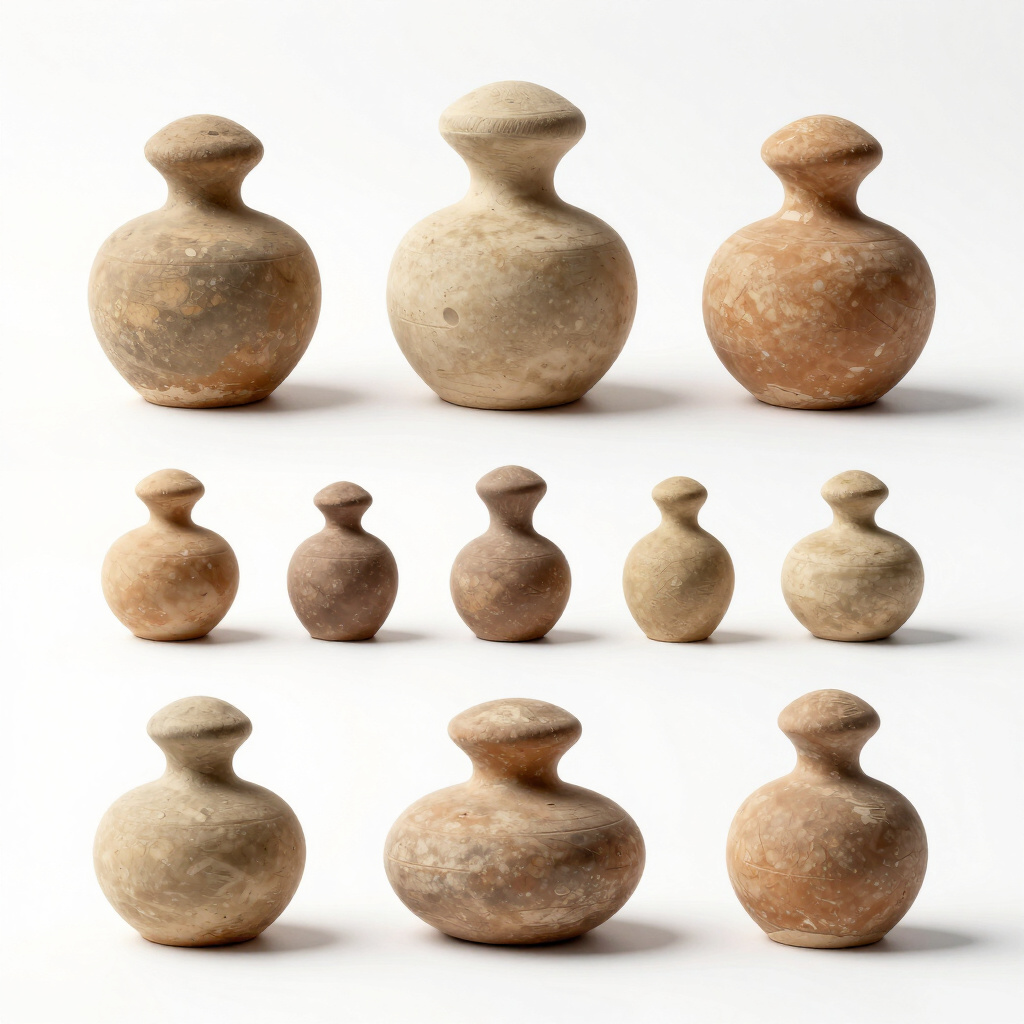
Expansion of urban centers like Kot Diji and Rakhigarhi, characterized by the development of standardized weights and early drainage systems.
Decline & Disappearance
1900 – 1300 BCE
Gradual abandonment of major urban centers around 1900 BCE, likely due to a combination of environmental shifts and cultural transformation.
Major Urban Centers

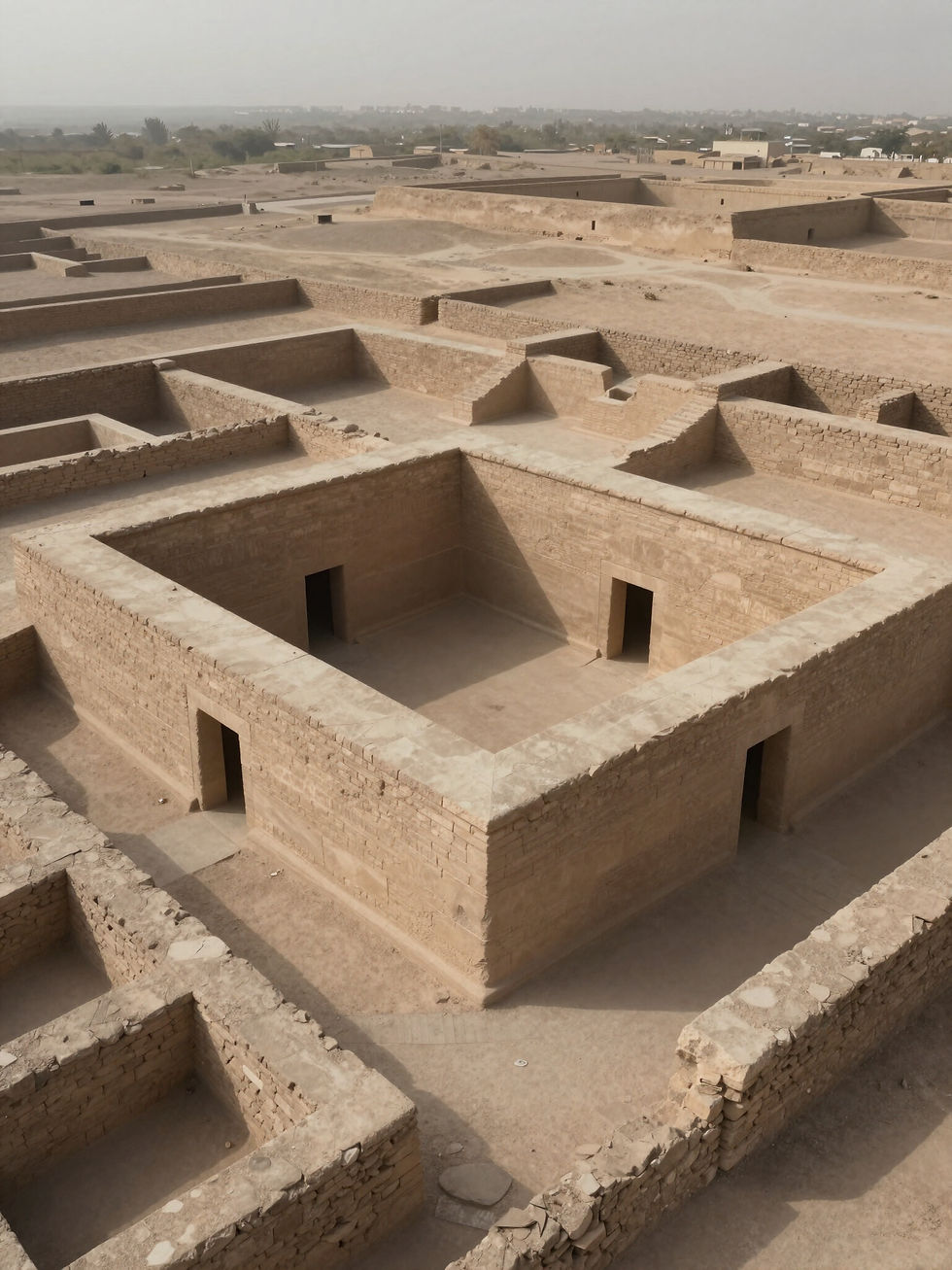

Harappa
A major fortified city in Punjab, showcasing advanced brick architecture and trade networks.
Mohenjo-daro
The 'Mound of the Dead,' famous for its Great Bath and sophisticated urban drainage systems.
Dholavira
An island city in Gujarat known for its unique water conservation and stone architecture.
Social Stratification
There are many levels of social hierarchy within a single culture, rather than only class division. Evidence from the Indus Valley has led some historians to speculate that there may be no evidence of tombs associated with royalty; therefore the assumption about there being a ruling class may be incorrect. The archaeological record does indicate that there was an organised urban society with specialisation in different activities. The number of monumental constructions and the standardisation of weights indicate the existence of a central authority which was able to coordinate the use of large quantities of resources. This study investigates how various forms of trade, urban planning and religious symbolism contributed to the creation of the social network for the city of Mohenjo-daro and Harappa and allows for an understanding of a society that was based on order and communal wellbeing.

Archaeological Site: Mohenjo-daro, Indus Valley Civilization
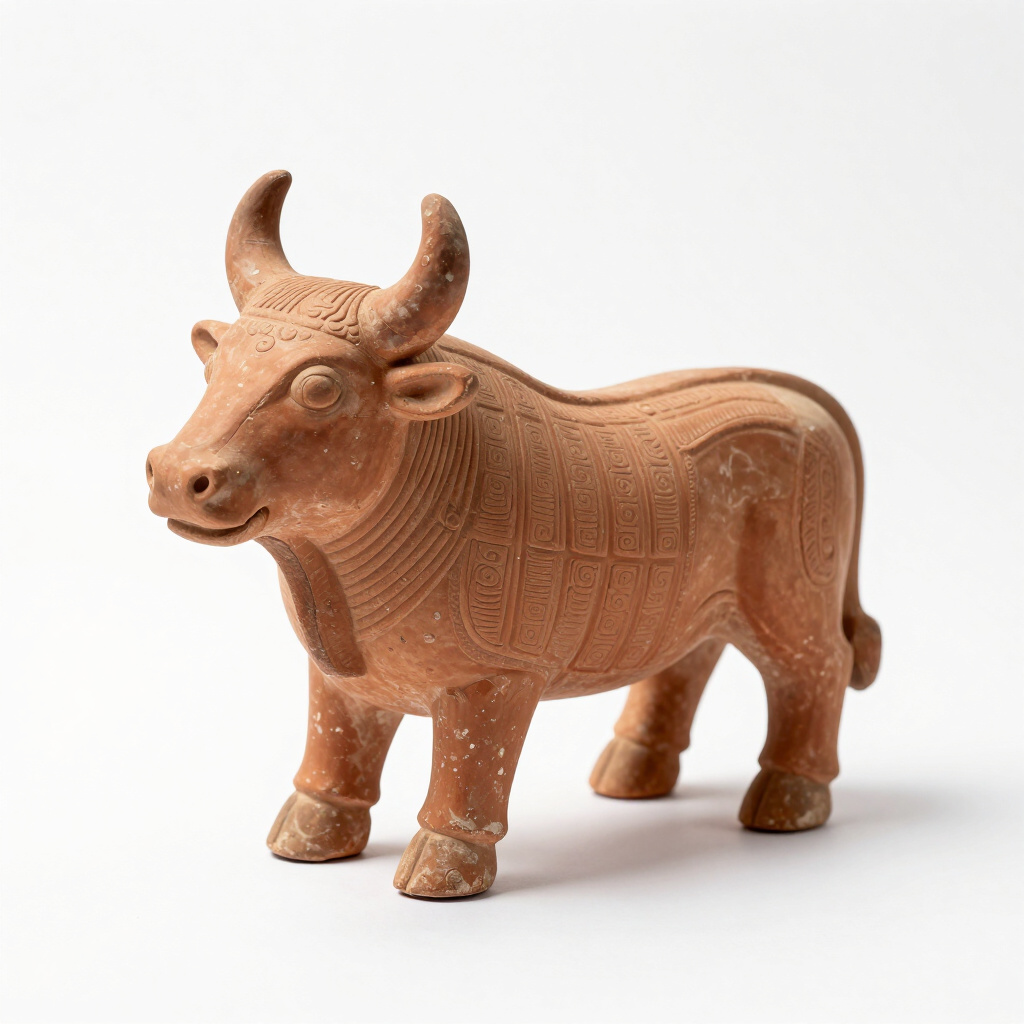
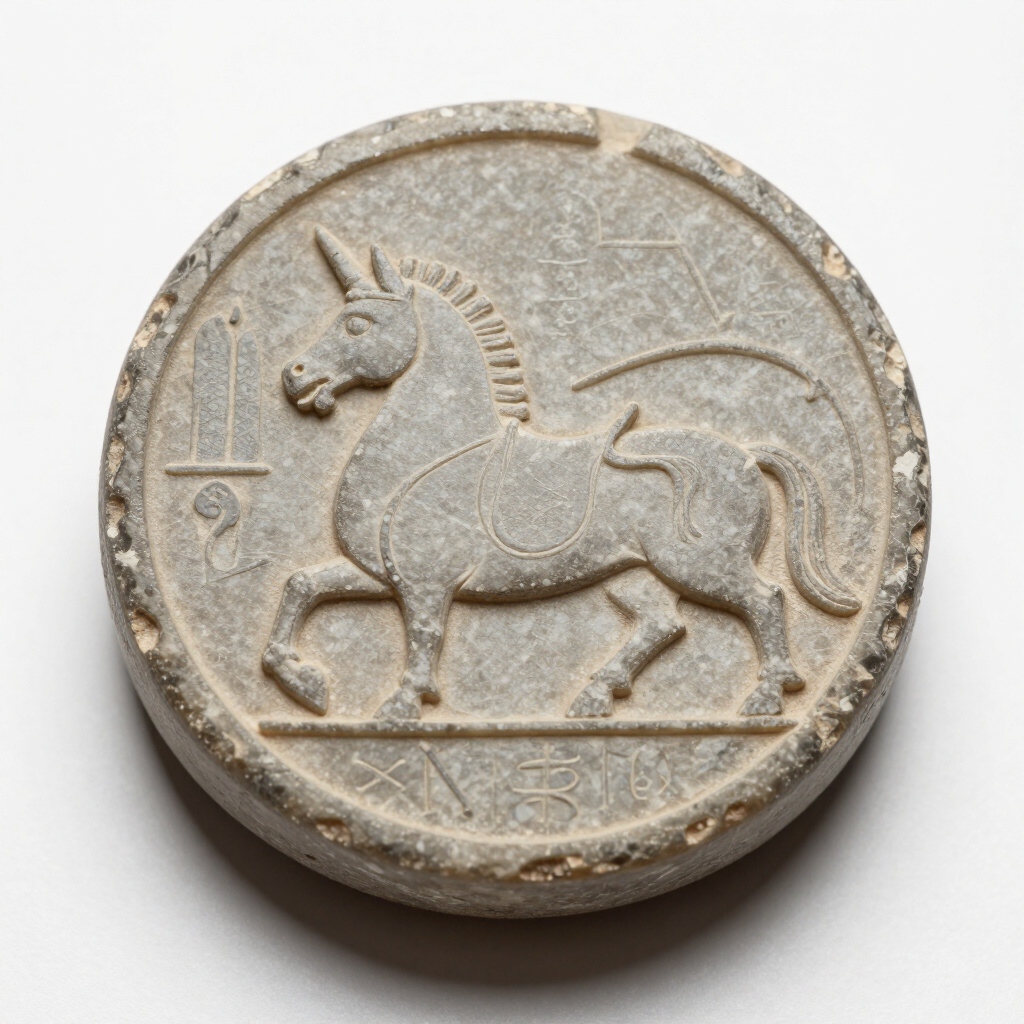
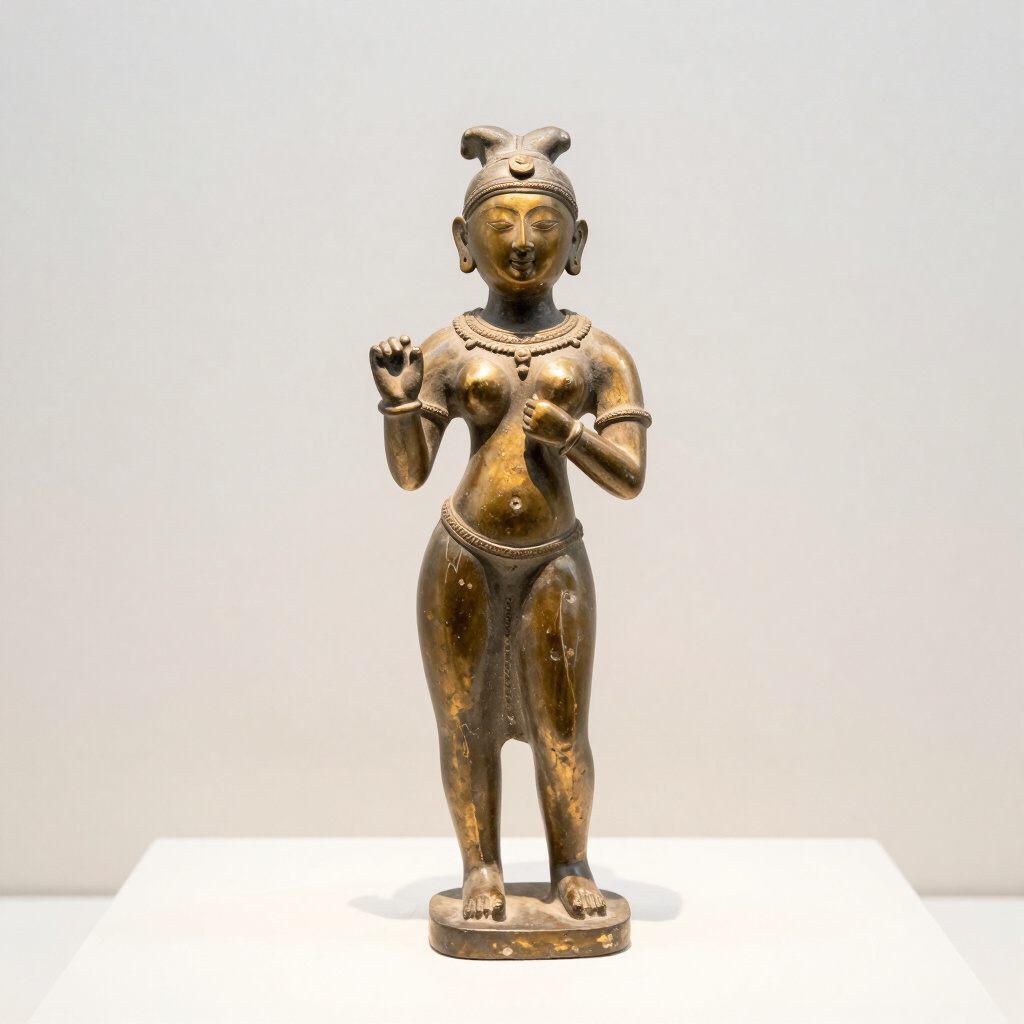
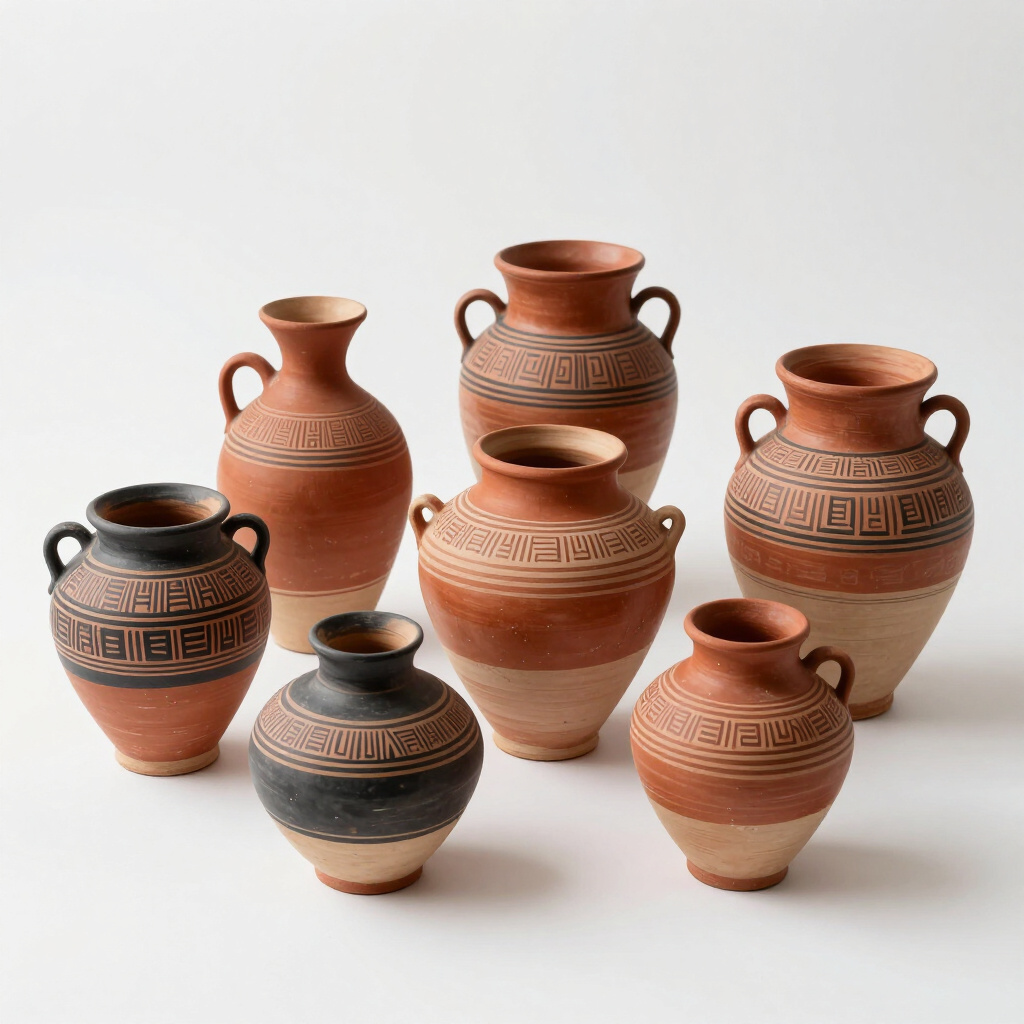
Featured Artifacts
Representative objects that provide insight into the sophisticated craftsmanship and daily life of the Indus Valley civilization.